Speakers / Panelists
-
Reirradiation in Focus: Interprofessional Strategies for Safer, High-Quality Care | Newbridge 1
January 30, 2026 from 1:00pm EDT to 3:00pm EDT -
Reirradiation in Focus: Interprofessional Strategies for Safer, High-Quality Care | Newbridge 1
January 30, 2026 from 1:00pm EDT to 3:00pm EDT -
Data and AI: Foundations and Function in RO and Diagnostic Imaging | Newbridge 1
January 30, 2026 from 10:15am EDT to 12:00pm EDT -
Lessons Learned or Lessons Ignored: Are We Ready? | Newbridge 1
January 31, 2026 from 11:30am EDT to 12:30pm EDT -
A critical assessment of the current state of quality in Canada | Newbridge 1
January 29, 2026 from 1:00pm EDT to 2:00pm EDT -
Shared Considerations in Patient Safety | Newbridge 2
January 30, 2026 from 1:00pm EDT to 3:00pm EDT -
Workforce Planning: Not Your Traditional Solutions | Newbridge 1
January 31, 2026 from 10:00am EDT to 11:30am EDT -
A critical assessment of the current state of quality in Canada | Newbridge 1
January 29, 2026 from 1:00pm EDT to 2:00pm EDT -
Workforce Planning: Not Your Traditional Solutions | Newbridge 1
January 31, 2026 from 10:00am EDT to 11:30am EDT -
From Talk to Tactics: Defining Priorities, Designing Solutions | Newbridge 1
January 31, 2026 from 1:15pm EDT to 2:45pm EDT -
Workforce Planning: Not Your Traditional Solutions | Newbridge 1
January 31, 2026 from 10:00am EDT to 11:30am EDT -
Workforce Planning: Not Your Traditional Solutions | Newbridge 1
January 31, 2026 from 10:00am EDT to 11:30am EDT -
Data and AI: Foundations and Function in RO and Diagnostic Imaging | Newbridge 1
January 30, 2026 from 10:15am EDT to 12:00pm EDT -
Data and AI: Foundations and Function in RO and Diagnostic Imaging | Newbridge 1
January 30, 2026 from 10:15am EDT to 12:00pm EDT -
Lessons Learned or Lessons Ignored: Are We Ready? | Newbridge 1
January 31, 2026 from 11:30am EDT to 12:30pm EDT -
Workforce Planning: Not Your Traditional Solutions | Newbridge 1
January 31, 2026 from 10:00am EDT to 11:30am EDT -
Reirradiation in Focus: Interprofessional Strategies for Safer, High-Quality Care | Newbridge 1
January 30, 2026 from 1:00pm EDT to 3:00pm EDT -
Chaos, Kotter and Co-Creation Leading Change in the AI Era | Newbridge 1
January 30, 2026 from 8:45am EDT to 9:45am EDT -
Workforce Planning: Not Your Traditional Solutions | Newbridge 1
January 31, 2026 from 10:00am EDT to 11:30am EDT -
Shared Considerations in Patient Safety | Newbridge 2
January 30, 2026 from 1:00pm EDT to 3:00pm EDT -
Keynote Address - Quality Time: The consequences of quality improvement in radiotherapy | Newbridge 1
January 28, 2026 from 4:45pm EDT to 5:45pm EDT -
Shared Considerations in Patient Safety | Newbridge 2
January 30, 2026 from 1:00pm EDT to 3:00pm EDT -
Global strategies in quality radiation medicine and imaging education | Newbridge 1
January 31, 2026 from 8:30am EDT to 9:30am EDT -
A critical assessment of the current state of quality in Canada | Newbridge 1
January 29, 2026 from 1:00pm EDT to 2:00pm EDT -
Data and AI: Foundations and Function in RO and Diagnostic Imaging | Newbridge 1
January 30, 2026 from 10:15am EDT to 12:00pm EDT -
Lessons Learned or Lessons Ignored: Are We Ready? | Newbridge 1
January 31, 2026 from 11:30am EDT to 12:30pm EDT -
Shared Considerations in Patient Safety | Newbridge 2
January 30, 2026 from 1:00pm EDT to 3:00pm EDT -
Icebreaker: Lay of the Land | Newbridge 1
January 29, 2026 from 9:30am EDT to 10:00am EDT -
Reirradiation in Focus: Interprofessional Strategies for Safer, High-Quality Care | Newbridge 1
January 30, 2026 from 1:00pm EDT to 3:00pm EDT -
Lessons Learned or Lessons Ignored: Are We Ready? | Newbridge 1
January 31, 2026 from 11:30am EDT to 12:30pm EDT -
From Talk to Tactics: Defining Priorities, Designing Solutions | Newbridge 1
January 31, 2026 from 1:15pm EDT to 2:45pm EDT -
From Talk to Tactics: Defining Priorities, Designing Solutions | Newbridge 1
January 31, 2026 from 1:15pm EDT to 2:45pm EDT -
Data and AI: Foundations and Function in RO and Diagnostic Imaging | Newbridge 1
January 30, 2026 from 10:15am EDT to 12:00pm EDT -
Safety and Quality as the Bridge Between Experience and Progress | Newbridge 1
January 29, 2026 from 2:00pm EDT to 3:00pm EDT -
Workforce Planning: Not Your Traditional Solutions | Newbridge 1
January 31, 2026 from 10:00am EDT to 11:30am EDT -
Legacy CPQR Pillars: Implications for the Future | Newbridge 1
January 29, 2026 from 10:30am EDT to 12:00pm EDT -
Lessons Learned or Lessons Ignored: Are We Ready? | Newbridge 1
January 31, 2026 from 11:30am EDT to 12:30pm EDT -
A critical assessment of the current state of quality in Canada | Newbridge 1
January 29, 2026 from 1:00pm EDT to 2:00pm EDT -
Shared Considerations in Patient Safety | Newbridge 2
January 30, 2026 from 1:00pm EDT to 3:00pm EDT -
Reirradiation in Focus: Interprofessional Strategies for Safer, High-Quality Care | Newbridge 1
January 30, 2026 from 1:00pm EDT to 3:00pm EDT -
Reirradiation in Focus: Interprofessional Strategies for Safer, High-Quality Care | Newbridge 1
January 30, 2026 from 1:00pm EDT to 3:00pm EDT -
Data and AI: Foundations and Function in RO and Diagnostic Imaging | Newbridge 1
January 30, 2026 from 10:15am EDT to 12:00pm EDT -
Workforce Planning: Not Your Traditional Solutions | Newbridge 1
January 31, 2026 from 10:00am EDT to 11:30am EDT -
COMP President Welcome and Winter School Directors Address | Newbridge 1
January 29, 2026 from 9:00am EDT to 9:30am EDT -
From Talk to Tactics: Defining Priorities, Designing Solutions | Newbridge 1
January 31, 2026 from 1:15pm EDT to 2:45pm EDT -
COMP President Remarks & Winter School Directors Summary | Newbridge 1
January 31, 2026 from 2:45pm EDT to 3:00pm EDT -
Reirradiation in Focus: Interprofessional Strategies for Safer, High-Quality Care | Newbridge 1
January 30, 2026 from 1:00pm EDT to 3:00pm EDT -
Data and AI: Foundations and Function in RO and Diagnostic Imaging | Newbridge 1
January 30, 2026 from 10:15am EDT to 12:00pm EDT -
Workforce Planning: Not Your Traditional Solutions | Newbridge 1
January 31, 2026 from 10:00am EDT to 11:30am EDT
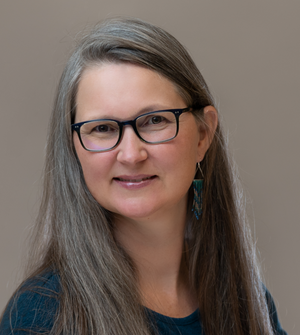
Alanah Bergman
Medical Physicist
Alanah Bergman
Alanah Bergman
Medical Physicist
Dr. Bergman, FCCPM is a senior medical physicist at BC Cancer. She provides physics leadership for local SABR initiatives which includes clinical trial design/implementation and advanced motion management strategies. She has an immense interest in reirradiation scenarios, particularly related to the challenge of incorporating consistent and safe workflows. She is currently working with national and international organizations to gather data and provide clear, consistent guidance on reirradiation management.
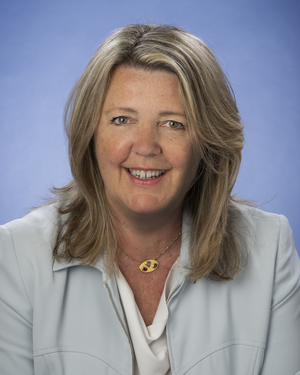
Andrea Bezjak
Professor
Andrea Bezjak
Andrea Bezjak
Professor
Thoracic Radiation oncologist at Princess Margaret Cancer Centre, Toronto Professor, Department of Radiation Oncology, University of Toronto
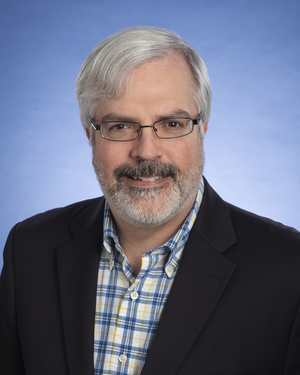
Jean-Pierre Bissonnette
Associate Head, Medical Physics
Jean-Pierre Bissonnette
Jean-Pierre Bissonnette
Associate Head, Medical Physics
Dr. Jean-Pierre Bissonnette is the Associate Head for Professional and Academic Affairs for the Department of Medical Physics at the Princess Margaret Cancer Centre, where he has been employed since 2003. He obtained his M.Sc. from McGill University and his Ph.D. from the University of Western Ontario, in 1996. He is a Professor at the University of Toronto Departments of Radiation Oncology and Medical Biophysics, and the Program Director of the Medical Physics PhD Specialization. With over 80 peer-reviewed publications, Dr. Bissonnette’s research has involved quality assurance and patient safety, high-precision radiotherapy for the brain and the lung, post-graduate education, and using PET, CT, and CBCT images to monitor treatment response for lung cancer patients and assess whether treatment adaptation is warranted. He chaired the AAPM TG-179 task group on CT-based image-guidance in radiotherapy. Current research topics include dose reconstruction based on image-guidance images, image-based adaptation of therapy, and using statistical tools to rationalize and limit the cost of quality control. Through his involvement with Cancer Care Ontario, Dr. Bissonnette has been championing practice-changing projects in Ontario, including ongoing development of a province-wide depository for radiotherapy data, the production of disaster recovery and continuation of service plans. He is the co-chair of the Canadian Partnership for Quality Radiotherapy. He is board-certified by the Canadian College of Physicists in Medicine and is a Fellow of the Canadian Organization of Medical Physicists and of the American Association of Physicists in Medicine.
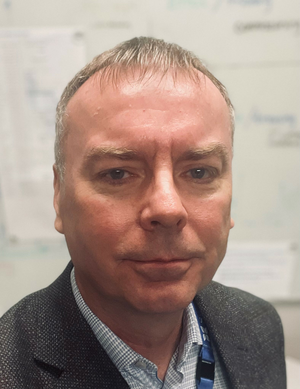
Stephen Breen
Head of Department of Medical Physics
Stephen Breen
Stephen Breen
Head of Department of Medical Physics
Dr. Stephen Breen is the Head of the Department of Medical Physics at the Odette Cancer Centre at Sunnybrook Health Sciences Centre, and Assistant Professor in the Department of Radiation Oncology at the University of Toronto. He completed his BEng in Engineering Physics at the Technical University of Nova Scotia, and his MSc and PhD in Medical Biophysics at Western University. He has been a member of COMP for thirty-five years, and served on its Board of Directors. He was course director or chair of several early iterations of the COMP Winter School, initiating Project Galleries and engaging a faculty comprised of medical physicists, bioethicists, lawyers, human factors engineers and psychologists, and computer scientists. He was the founding president of the Ontario Association of Medical Physicists, and has worked with Cancer Care Ontario on medical physics quality, equipment procurement, and provincial cancer system planning.
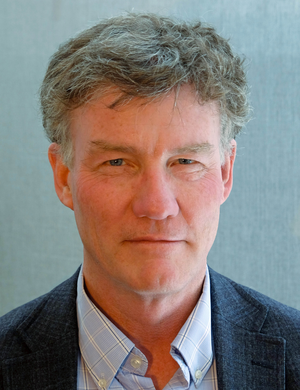
Michael Brundage
Professor Emeritus
Michael Brundage
Michael Brundage
Professor Emeritus
Brundage is a clinician scientist, radiation onoclogist and health-services researher in Oncology at Queen's. He was a founding member of CPQR and former quality lead for Cancer Care Ontario/Ontario Health.
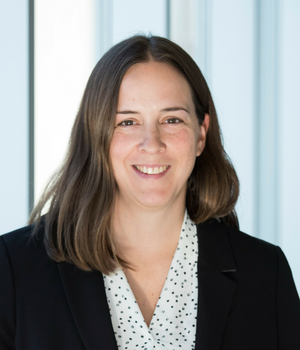
Lesley Buckley
Associate Head of Physics
Lesley Buckley
Lesley Buckley
Associate Head of Physics
Lesley Buckley is the associate head of medical physics at The Ottawa Hospital and holds clinical certifications in radiation oncology, diagnostic imaging and mammography physics. She is the radiation safety officer for the radiation medicine program and is deputy program director for the medical physics residency program. She is an Assistant Professor in the Department of Radiology, Radiation Oncology and Medical Physics at The University of Ottawa and is actively involved in teaching within both the radiation oncology and radiology programs. Her current clinical and research focus is primarily in quality improvement initiatives, imaging dose as applied to radiation therapy and in the development of regional approaches to quality assurance programs.

Amanda Caissie
Head, Department of Radiation Oncology
Amanda Caissie
Amanda Caissie
Head, Department of Radiation Oncology
Dr. Amanda Caissie MD, PhD, FRCPC is Head of Dalhousie University’s Department of Radiation Oncology (DRO). Her contributions to national and international radiotherapy quality improvement initiatives include co-founder/co-lead of the Canadian Artificial intelligence and big Data in Radiotherapy Alliance (CADRA) and member of the Canadian Partnership for Quality Radiotherapy (CPQR) Steering committee as well as the American Association of Physicists in Medicine (AAPM) Big Data subcommittee. Aiming to align clinical and research priorities for digital health solutions across the continuum of cancer care, her academic interest lies in use of Big Data to support health learning systems.
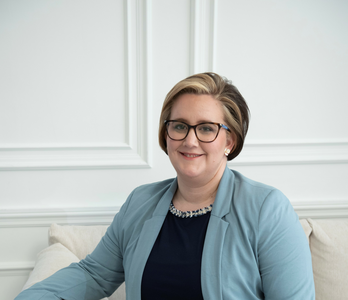
Mikki Campbell
Director of Education
Mikki Campbell
Mikki Campbell
Director of Education
Mikki Campbell is the Director of Education at the Canadian Association of Medical Radiation Technologists (CAMRT) and a Radiation Therapist with expertise in healthcare strategy, research, innovative education models and program evaluation. She holds a Master of Health Evaluation from the University of Waterloo and completed her Radiation Therapy training through the University of Toronto and The Michener Institute. Her research focuses on MR-guided radiation therapy, high-precision stereotactic (SRS/SBRT) to brain and spine tumours and the evaluation of health and education programs. She played a pivotal role in implementing the first in Canada MR-Linac and co-led the development of the internationally recognized MR-integrated Radiation Therapy (MRiRT) Training Program with the University of Toronto Department of Radiation Oncology. Mikki also supports the development of long-range strategic plans across healthcare organizations to advance evidence-informed system improvement

Jennifer Carey
Manager of National Advocacy
Jennifer Carey
Jennifer Carey
Manager of National Advocacy
Jennifer is a Medical Radiation Technologist from Moncton, New Brunswick. Having graduated from the University of New Brunswick with a Bachelor of Health Science majoring in Radiologic Technology, she practiced in the x-ray and CT departments of The Moncton Hospital. Having a passion for volunteering for her profession early on in her career, she volunteered for the CAMRT as both a member and the Chair of the Professional Practice Advisory Council, and has dedicated her time and passion to committee work in the areas of mental health and Choosing Wisely Canada. In 2017, Jennifer was elected to the CAMRT Board of Directors and has contributed greatly as a Director, as the Chair of the Board Finance Committee, and finally, as the President of the Board. In 2021, after obtaining her Master of Organizational Management (M.Org.M) she decided to transition her career and began a non-clinical role at the Canadian Association of Medical Radiation Technologists, managing regional association services in Atlantic Canada and national advocacy efforts.
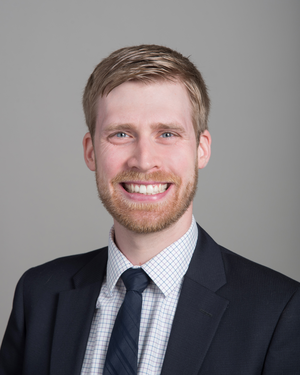
David DeVries
Medical Physicist
David DeVries
David DeVries
Medical Physicist
David DeVries is a medical physicist at the Verspeeten Family Cancer Centre in London, Ontario, which he joined after completing his residency at the Verspeeten in August. David previously completed his PhD in medical biophysics at Western University, focusing on radiomics and machine learning applications in stereotactic radiosurgery. David also has a MSc in physics from Queen's University and a joint honours in Physics and Computer Science from the University of Waterloo. David's current research interests include artificial intelligence applications in radiation therapy, ranging from immediate clinical applications to long-term reimagining of our health data landscape. David is a member of the national CADRA initiative and COMP's CWC-IDEA group.
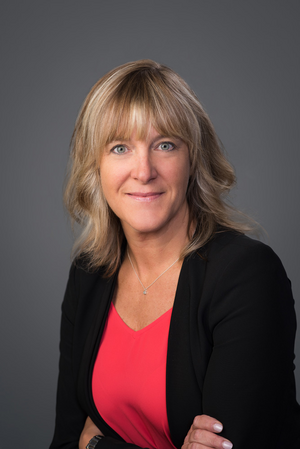
Carol-Anne Davis
Director Clinical Oncology Standards
Carol-Anne Davis
Carol-Anne Davis
Director Clinical Oncology Standards
Carol-Anne Davis is a radiation therapist with over 35 years of experience spanning clinical, educational and management roles. Currently she is the Provincial Director of Clinical Oncology for the Nova Scotia Health Cancer Care Program. Nationally Carol-Anne has volunteered with several key organizations: Accreditation Canada, (Radiotherapy/Cancer Care Working Group Member), the Canadian Association of Radiation Oncology (CARO) Quality and Standards Committee and the Canadian Partnership for Quality Radiotherapy (CPQR) steering committee. In recognition of her many volunteer roles and research activities, Carol-Anne became a Fellow of the CAMRT in 2015. Carol-Anne’s clinical interests reside in Quality and Safety, RT for H&N cancer population, imaging, scopes of practice and stereotactic body radiotherapy. Research interests include positron-emission-tomography, peer–review and RT outcomes. Currently Carol-Anne is the NS co-lead for the CPAC funded project: Pan-Canadian Cancer Data Strategy Implementation - Stream 2: A Unified Approach to Standardizing Nomenclature in Radiation Oncology.
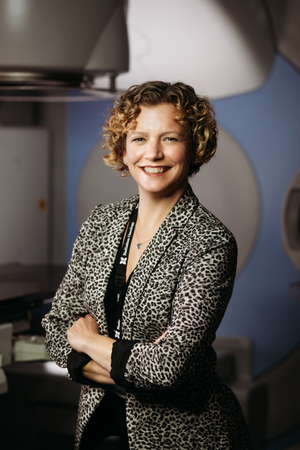
Darby Erler
Manager, Radiation Therapy
Darby Erler
Darby Erler
Manager, Radiation Therapy
Darby Erler MRT(T), MHSc is the Manager for Radiation Therapy at the Sunnybrook Odette Cancer Centre and Program Director for the University of Toronto Department of Radiation Oncology’s MR-Integrated Radiation therapy Training Program. She completed her degree in Radiation Sciences through the Joint Michener Institute/ University of Toronto Medical Radiation Science program in 2003 and a Master of Health Science in Medical Radiation Sciences from the University of Toronto in 2015. She holds a status appointment as Instructor in the Department of Radiation Oncology, University of Toronto and a Practice-Based Researcher through the Sunnybrook Research Institute. In a previous role as Clinical Specialist Radiation Therapist, she helped lead the clinical implementation of Sunnybrook’s MR-Linac program and continues to work on enhancing the integration of MRI into radiation therapy and maximizing the scope of practice of radiation therapists, particularly in the realm of adaptive radiation therapy.
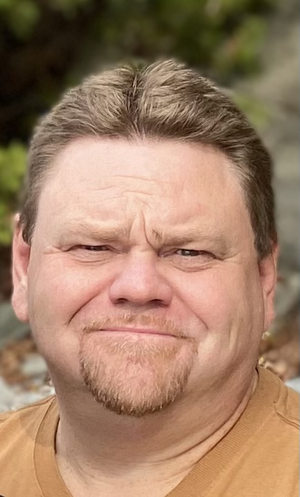
Greg Fox
Senior Radiation Therapist, Treatment Planning
Greg Fox
Greg Fox
Senior Radiation Therapist, Treatment Planning
Greg Fox graduated from Dawson College and began working at The Ottawa Hospital Cancer Center in 2001. He has over 20 years of experience in Treatment Planning across all disease sites, specializing in CNS, Lung and Genitourinary cancers. SBRT planning has been his main focus the last 5 years with the increased use of SBRT for spine, bone and nodal metastasis. He is the lead planner for ablative radiotherapy for ventricular arrythmias and also plans many of the complex lung re irradiation cases. Re-irradiation is an area of interest for him, and he is a member of the Thoracic Re-Irradiation Working Group for Ontario Health.

Caitlin Gillan
Provincial Professional Practice Leader, Radiation Therapy
Caitlin Gillan
Caitlin Gillan
Provincial Professional Practice Leader, Radiation Therapy
A longtime clinician and educator, Dr Gillan is the Provincial Professional Practice Leader for Radiation Therapy for BC Cancer. With close to 20 years of experience as a radiation therapist, she leverages her clinical, research, leadership, and education background to advance innovative practice initiatives to the benefit of those with cancer and the providers that support their care.
Dr Gillan has an established academic and practical interest in quality and safety in radiotherapy care, and in interprofessional collaboration in the introduction of novel technologies. In 2022, she completed her doctoral studies through University of Toronto’s Institute of Health Policy, Management, and Evaluation, focusing on how healthcare professions are considering the impact of artificial intelligence on their practice. Pursuant to this work, she is a founding member of the Canadian Artificial Intelligence and Big Radiotherapy Data Alliance (CADRA), co-chairs the AI Professional Practice Advisory Council for the CAMRT, and is the Instructional Lead for the Digital Health and Data Analytics Program at the Michener Institute of Education at UHN.
Dr Gillan is a Clinical Associate Professor with the Division of Radiation Oncology in the University of British Columbia’s Department of Surgery, and an Associate Professor in the Department of Radiation Oncology at the University of Toronto.

Gillian Graham
Senior Radiation Therapy Practice Lead, Cancer Care Alberta
Gillian Graham
Gillian Graham
Senior Radiation Therapy Practice Lead, Cancer Care Alberta
Gillian is the Senior Practice Lead in Radiation Therapy for Cancer Care Alberta who has spent the last 30 years in various professional roles. She has proudly enjoyed opportunities to work in simulation and dosimetry, clinical education, and provincial practice, achieving a certificate in medical dosimetry (CMD) and a master’s degree in health leadership during her career. As the current practice lead for radiation therapy in the quality and improvement portfolio, she co-chairs the CCA Radiation Medicine Operations Committee, facilitates practice change initiatives with multidisciplinary teams across the province, leads integration of the electronic medical record in RT, and supports CCA clinical education. Gillian is a contributor and member of CAMRT, and CARO, and supports CPQR and CADRA under CAPCA as a representative for Cancer Care Alberta.
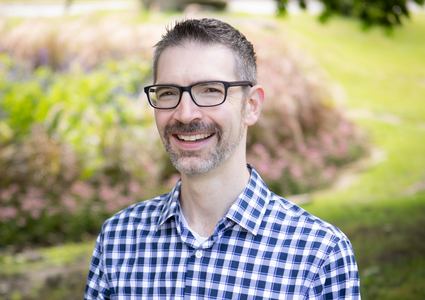
Timothy Hanna
Professor
Timothy Hanna
Timothy Hanna
Professor
Dr. Timothy Hanna is Professor of Oncology at Queen’s University and holds the CTAQ Endowed Chair in Health Policy and Health Economics. He serves as the Radiation Oncology Clinical Quality Lead for Ontario Health (Cancer Care Ontario), where he guides provincial initiatives to improve the quality, safety, and equity of radiotherapy services. Internationally recognized for his work on the impact of treatment timeliness, cancer system performance, and global radiotherapy access, he has contributed to landmark studies quantifying the survival effects of treatment delays and the worldwide shortage of radiotherapy capacity. His research program integrates health services, health economics, and cancer policy, with over 100 publications influencing practice and policy in Canada and abroad. Dr. Hanna is committed to bridging the care gap by aligning innovation, evidence, and systems design to deliver high-quality, equitable cancer care.
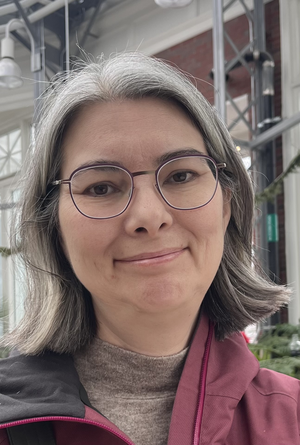
Annie Hsu
Associate Head of Medical Physics
Annie Hsu
Annie Hsu
Associate Head of Medical Physics
Dr. Annie Hsu is Associate Head of Medical Physics at the Odette Cancer Centre, Sunnybrook Health Sciences Centre, and Assistant Professor in the Department of Radiation Oncology at the University of Toronto. She has extensive experience in clinical medical physics, quality improvement, and education, including prior participation in the COMP Winter School.
Dr. Hsu serves on AAPM committees and contributes to practice guidelines, safety initiatives, and professional education. She is the COMP volunteer for CPQR and CARA and currently serves as Provincial Coordinator, Medical Physics Education Programs, Radiation Treatment Program, leading provincial education and training initiatives.
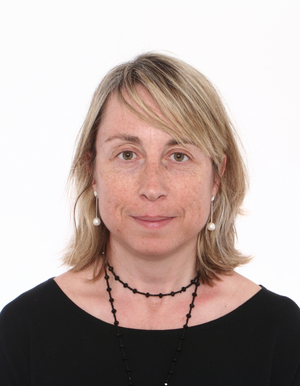
Núria Jornet
Clinical head, Radiotherapy Physics, Medical Physics department
Núria Jornet
Núria Jornet
Clinical head, Radiotherapy Physics, Medical Physics department
The implementation of research into clinical practice has been one of my main priorities, as well as the improvement of treatment quality in radiation oncology.
This research work has resulted in 57 publications in peer-reviewed scientific journals (h-index = 21), approximately 250 conference communications, and 13 funded research projects.
Principal investigator of the CatClinART project on creating a permanent infrastructure on clinical audits in Radiotherapy in Catalonia, funded by the EU4Health programme (October 2024 – October 2027).
Researcher in the Kayak+ project (Pianoforte) (May 2025 – May 2029).
Course Director of the Quality Management Course of the European Society for Radiotherapy and Oncology (ESTRO).
Member of the Patient Safety Commission of the Spanish Society of Medical Physics (SEFM).
Expert in QUATRO audits (IAEA) and expert in EC projects EU-REST, QUADRANT, and the ESTRO Working Group on Quality Indicators.
John Kildea
Professor
John Kildea
John Kildea
Professor
John Kildea is a CCPM-certified medical physicist, tenured associate professor in the Gerald Bronfman Department of Oncology at McGill University, Scientist at the Research Institute of the McGill University Health Centre (RI-MUHC), and Fonds de recherche du Québec - santé dual-chair holder in Artificial Intelligence and Digital Health. John’s research focuses on building software for patient-centered health informatics and experimental methods to examine the biophysics underlying radiation-induced carcinogenesis. At the RI-MUHC, John directs the Opal Health Informatics Group. The group designed, developed, clinically implemented, and operated the Opal patient-in-the-loop data platform as the first, and to date only, patient portal in a Quebec hospital. John has been involved in a number of national initiatives at a leadership level. He has served as vice-chair of the Canadian Partnership for Quality Radiotherapy, chair of the Advisory Committee for the National System for Incident Reporting–Radiation Treatment (NSIR-RT), convenor of the Canadian Big Radiotherapy Data Initiative, and chair of two COMP Winter Schools. Internationally, John has represented the Canadian Organization of Medical Physics on committees at the IAEA, ESTRO, and HL7-CodeX.
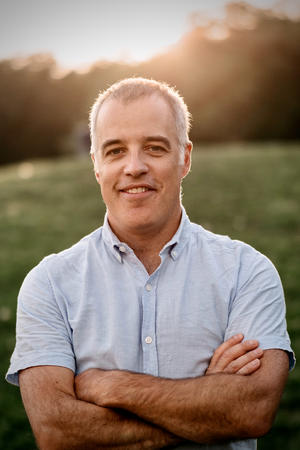
Ives Levesque
Associate Professor
Ives Levesque
Ives Levesque
Associate Professor
Ives Levesque is an MRI physicist, Associate Professor of Medical Physics at McGill University, clinical physicist at the McGill University Health Centre, and Associate Director of the Montreal General Hospital MRI Research Platform. His research is focused on methods for oxygen-sensitive MRI, dynamic contrast enhanced MRI, fat-water separation, and MR spectroscopy, and on MR safety. He teaches in the graduate programs in Medical Physics and Biomedical Engineering, and provides training to healthcare and researhc professionals in MRI and MR safety. Ives Levesque is a Fellow of the Canadian College of Physicists in Medicine (MRI subspecialty).
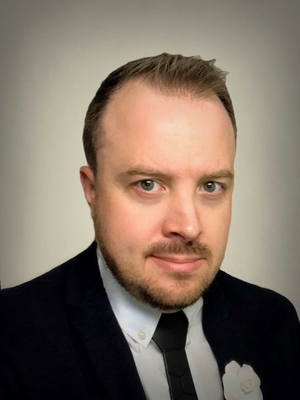
Brian Liszewski
Advisor, Radiation Therapy and Infrastructure Planning
Brian Liszewski
Brian Liszewski
Advisor, Radiation Therapy and Infrastructure Planning
Brian Liszewski is a radiation therapist and Advisor for Radiation Therapy and Infrastructure Planning at Ontario Health (Cancer Care Ontario) whose career has been defined by a passion for quality, safety, and data-driven innovation in radiation oncology. Over nearly twenty years, he has advanced provincial and pan-Canadian initiatives through the Canadian Partnership for Quality Radiotherapy (CPQR), contributing to the development of the National System for Incident Reporting in Radiation Treatment (NSIR-RT) as well as pan-Canadian and international quality assurance guidelines and patient engagement frameworks.
As Co-founder of the Canadian Artificial Intelligence and Big Data in Radiotherapy Alliance (CADRA), Brian is helping to shape Canada’s AI-enabled future in oncology through projects focused on data harmonization, nomenclature standards, and responsible AI integration. He continues to bridge clinical insight with system-level strategy to drive safer, smarter, and more connected care across the country.
Grounded in quality and guided by innovation, Brian’s ongoing work connects clinical practice with data science to drive continuous improvement in radiation therapy safety, performance, and person-centered care.
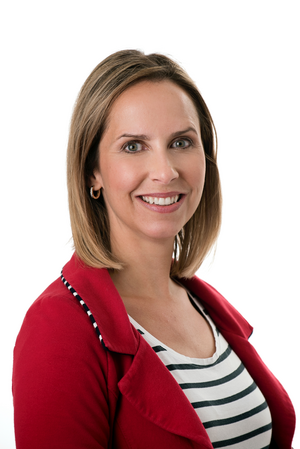
Kristi MacKenzie
Executive Director
Kristi MacKenzie
Kristi MacKenzie
Executive Director
Kristi MacKenzie is the Executive Director of the Canadian Association of Provincial Cancer Agencies (CAPCA), where she works alongside national health leaders to collaboratively address key issues impacting cancer care delivery across Canada. She brings extensive experience from leadership roles at the provincial, regional, and local levels of the healthcare system. Prior to joining CAPCA, Kristi served as the Regional Cancer Program Director for the Hamilton Niagara Haldimand Brant Regional Cancer Program and as Director of Hematology at the Juravinski Hospital and Cancer Centre. She holds an Honours Bachelor of Science from the University of Toronto and a Master of Health Administration from the University of British Columbia. Kristi is also a Certified Health Executive with the Canadian College of Health Leaders. Throughout her career, Kristi has been recognized for her collaborative approach, strategic leadership, and ability to implement health system initiatives that enhance the quality and performance of care. She is a committed health promotion advocate with a strong passion for improving community health and advancing equitable access to care.
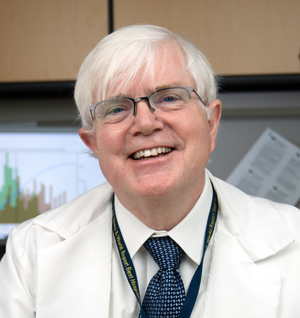
Charles Mayo
Clinical Professor
Charles Mayo
Charles Mayo
Clinical Professor
Dr. Charles (Chuck) Mayo, PhD, is a distinguished medical physicist at the University of Michigan, who is internationally known for his groundbreaking work in several areas. He pioneered development of one of the first automated learning health system infrastructures for all treated patients and development of automated statistical and AI modeling tools. He has led in multiple international efforts in developing standardizations and APIs to reduce barriers to centralized and federated learning approaches. These include the AAPM TG-263 nomenclature, the Operational Ontology for Oncology (O3) and the CodeX HL7 FHIR radiation therapy data. Dr. Mayo has made significant contributions to the development of advanced treatment planning techniques that optimize patient outcomes. He has contributed in QUANTEC and PENTEC efforts in modeling. Developing software applications to improve driving clinical decision frameworks and impoving efficiency and safety is a consistent theme in his work in including release of open source applications. Dr. Mayo’s work in reirradiation and in organizing the Reirradiation Collaborative Group (ReCOG) has been instrumental in advancing therapeutic options for patients with recurrent cancers, offering new hope for challenging cases. He is an enthusiastic promoter of interdisciplinary, approaches to combining cutting-edge technology with patient-centered care.
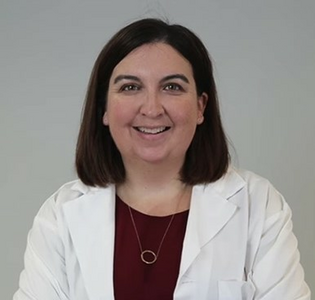
Andrea McNiven
Director of Medical Physics
Andrea McNiven
Andrea McNiven
Director of Medical Physics
Dr. Andrea McNiven is the Director of the Medical Physics Department at the Arthur J.E. Child Comprehensive Cancer Centre in Calgary and is the Division Chief for Medical Physics in the Department of Oncology, University of Calgary. Involved in quality and safety initiatives in radiotherapy from education to clinical practice. One focus is treatment plan and delivery quality (e.g. author for CPQR technical quality control guideline on patient specific QC, active member of TG-360, physics lead for multiple HN CCTG trials and a physics CCTG representative on NCTN Physics Committee) and education (both education quality and education related to quality).
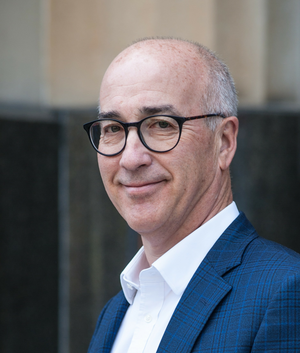
Michael Milosevic
Radiation Oncologist and Clinician Scientist
Michael Milosevic
Michael Milosevic
Radiation Oncologist and Clinician Scientist
Dr. Milosevic is a radiation oncologist and clinician scientist at the Princess Margaret Cancer Centre, Toronto, and Professor of Radiation Oncology at the University of Toronto with over 250 peer reviewed publications. He is a former president of the Canadian Association of Radiation Oncology (CARO) and the founding chair of the Canadian Partnership for Quality in Radiotherapy (CPQR).
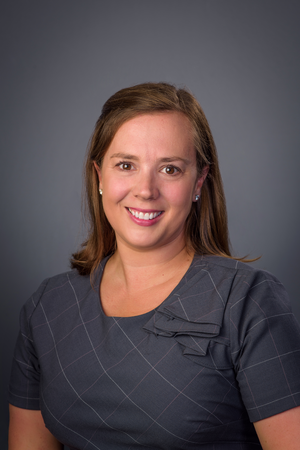
Kathryn Moran
Provincial Radiation Therapy Quality Lead
Kathryn Moran
Kathryn Moran
Provincial Radiation Therapy Quality Lead
Kathryn Moran is a Radiation Therapist with over 25 years of experience, having completed her training at the Michener Institute and the University of Toronto. Throughout her career, Kathryn has contributed to numerous initiatives, including research support for the Department of Medical Physics, translating research into clinical practice, consulting for a third-party startup, and advancing quality and safety in radiation oncology across Nova Scotia. She served on the National System for Incident Reporting – Radiation Treatment (NSIR-RT) working group and advisory committee from its early adoption through 2024. After transitioning out of active clinical practice in 2023, Kathryn assumed the role of Provincial Radiation Therapy Quality Lead for the Nova Scotia Cancer Care Program. In this capacity, her work focuses on proactive risk assessment, incident reporting and learning, multi-incident analysis, morbidity and mortality rounds, wait times, auditing, and data quality improvement.
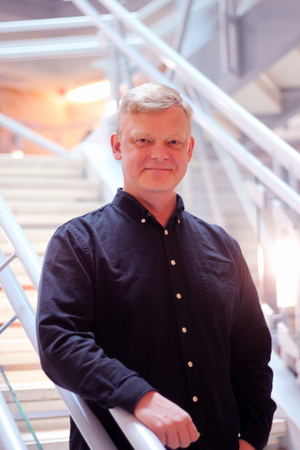
Lyndon Morley
Radiation Therapy Quality Lead
Lyndon Morley
Lyndon Morley
Radiation Therapy Quality Lead
Lyndon Morley, MSc, MRT(T), PMP is the Radiation Therapy Quality Lead at Princess Margaret Cancer Centre in Toronto. A longtime clinician and educator, he brings 23 years of experience in radiation therapy, including more than a decade in system-level roles focused on quality, patient safety, and practice improvement in academic cancer care.
He co-chairs the program’s Quality Committee and works closely with multidisciplinary partners across clinical, medical, physics, operational, and digital health teams. His work spans patient safety and incident learning, quality measurement and reporting, accreditation readiness, and the integration of data and information systems into clinical governance and improvement efforts, with a strong emphasis on collaborative, practical implementation.
Lyndon has an established academic and practical interest in patient safety and learning health systems in radiation oncology and has authored over a dozen peer-reviewed publications. He leads and supports complex quality and safety initiatives and is the author and instructor of a continuing-education course in project management for healthcare professionals through Canadian Association of Medical Radiation and Imaging Technologists.
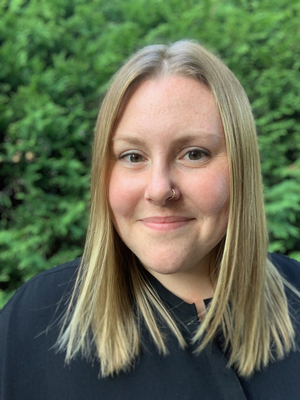
Donna Murrell
Medical Physicist
Donna Murrell
Donna Murrell
Medical Physicist
Dr. Donna Murrell is a Medical Physicist and Clinician-Scientist at London Health Sciences Centre in London, Canada. She earned MSc and PhD degrees from the University of Western Ontario and is now an Assistant Professor in the Departments of Oncology and Medical Biophysics there. She leads the reirradiation group in London and is involved in international and national efforts to advance the field of reirradiation.

Marija Popovic
Medical Physicist
Marija Popovic
Marija Popovic
Medical Physicist
Dr. Marija Popovic is a Medical Physicist at The Ottawa Hospital and an Affiliate Member of the Gerald Bronfman Department of Oncology at McGill University. Her clinical and research interests focus on dose accumulation, deformable image registration, and standardization of cumulative dose evaluation methods in reirradiation. Marija currently chairs the COMP Reirradiation Advancement Initiative. Internationally, she is an active contributor to several international working groups of the ESTRO Physics Reirradiation Working Group, ESTRO Reirradiation Focus Group, and the Reirradiaton Collaborative Group (ReCOG).
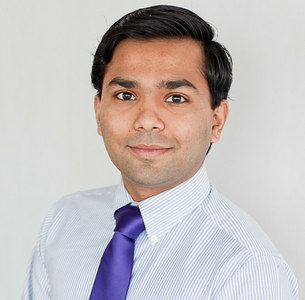
Srinivas Raman
Radiation Oncologist
Srinivas Raman
Srinivas Raman
Radiation Oncologist
Dr. Srinivas Raman previously completed mechanical engineering degrees and medical school at University of British Columbia, followed by radiation oncology residency at University of Toronto, and subsequently a fellowship at BC Cancer Vancouver. He is currently a radiation oncologist at BC Cancer Vancouver and a clinical associate professor in the division of radiation oncology, University of British Columbia. He serves as the lung tumor group chair at BC Cancer. He is dual certified in radiation oncology and clinical informatics - his research interests broadly include applications of artificial intelligence and automation in clinical workflows. He is involved in several projects related to resource optimization, medical image analysis and clinical evaluation of physician and patient facing large language models.
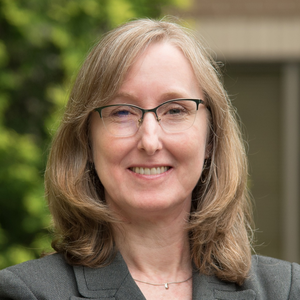
Kathleen Surry
Academic Medical Physicist
Kathleen Surry
Kathleen Surry
Academic Medical Physicist
Dr. Kathleen Surry is Academic Medical Physicist at the Verspeeten Family Cancer Centre, London Health Sciences Centre, with clinical and research interests in HDR brachytherapy, and GYN cancer care, as well as process and documentation. She is an Assistant Professor in Oncology and the Director of the CAMPEP graduate program in Medical Biophysics at Western University, with a passion for teaching and mentorship and the importance of professionalism in clinical physics. Finally, Kathleen is the current COMP President, where she is honoured to be serving the Canadian Medical Physics community.
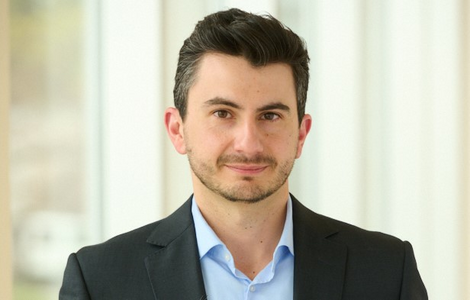
David Tiberi
Radiation Oncologist
David Tiberi
David Tiberi
Radiation Oncologist
Dr. Tiberi is a Radiation Oncologist and Assistant Professor in the Division of Radiation Oncology at The Ottawa Hospital. He specializes in radiotherapy for Genitouinary and Thoracic Malignancies as well as ablative radiotherapy for ventricular arrythmias .
His research interests include: reirradiation and ablative cardiac radiotherapy
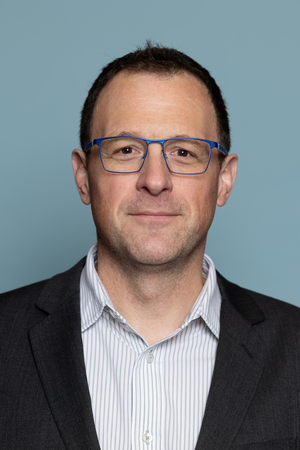
Marc Venturi
Director
Marc Venturi
Marc Venturi
Director
Marc is the Director for Accreditation at the Canadian Association of Radiologists (CAR) and leads the Health Artificial Intelligence Validation Network (HAIVN). He advances quality in medical imaging through CAR’s national accreditation programs and helps shape the responsible, real-world use of AI via CAR’s Artificial Intelligence Standing Committee and the HAIVN initiative—the focus of today’s talk. Previously, Marc streamlined clinical research operations at The Ottawa Hospital and the Ottawa Hospital Research Institute and contributed to setting national standards for clinical research. He holds a Bachelor of Science in Biotechnology and a Master’s in Health Administration.